

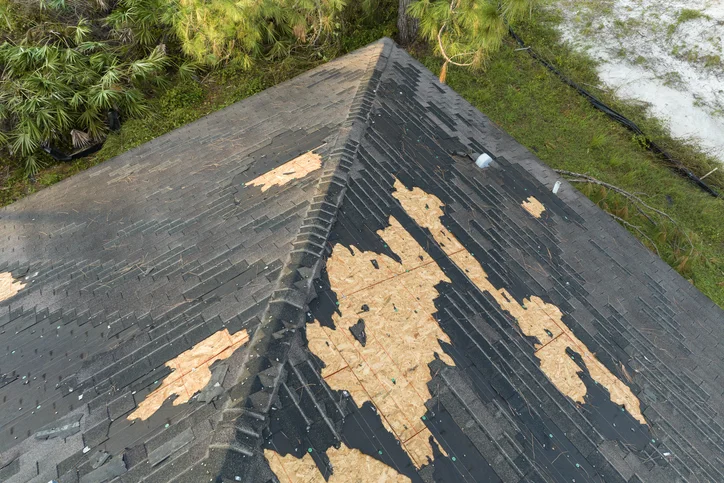
After a big storm rolls through Nashville, most homeowners do a quick glance at their roof from the driveway, see no obvious holes or missing shingles, and move on. But here is the truth: some of the most costly roof damage is the kind you cannot see from the ground. Waiting to address hidden damage can turn a manageable repair into a full roof replacement and a leaky ceiling into serious water damage inside your home.
If you suspect your roof took a hit in the last storm, do not wait. Call Veteran's Restoration today at (615) 398-6689 or fill out our online contact form to schedule a free roof inspection before small damage becomes a big problem.
Why Storm Damage Is Not Always Obvious
Storms do not always leave behind obvious calling cards like missing shingles or visible holes. In fact, some of the most damaging impacts happen in ways that look completely normal to an untrained eye. Hail, high winds, and heavy rain each cause their own type of harm, and the effects can take weeks or even months to fully show up inside your home.
That is why so many Nashville homeowners discover damage only after a stain appears on their ceiling or mold starts growing in their attic. By that point, the damage has already spread well beyond the roof itself.
What Hail Actually Does to Shingles
Hail is one of the most common causes of hidden roof damage in the Nashville area. When a hailstone hits an asphalt shingle, it can knock off the protective granules (the small, sand-like coating on the surface of the shingle). Those granules are what protect your shingles from the sun's heat and UV rays.
Once granules are knocked loose, the shingle starts to break down faster than it should. You may notice dark, bare spots on your shingles if you can safely get close enough to look, or you may see a buildup of granules collecting in your gutters after a storm.
Signs of Wind Damage That Are Easy to Miss
High winds can lift the edges of shingles and break the seal that holds them flat against the roof. Even if the shingle falls back into place, the seal underneath may be permanently broken. This creates an opening for water to get underneath whenever it rains.
You might also notice shingles that look slightly raised, curled at the corners, or out of alignment with the ones around them. These are signs that the wind got underneath and disturbed the installation, even if nothing is completely missing.
How to Spot Hidden Damage Without Getting on Your Roof
You do not need to climb up on your roof to start looking for warning signs. In fact, for safety reasons, it is always best to leave a full roof inspection to a trained professional. Still, there are several things you can check from the ground or inside your home.
Here are warning signs that point to possible hidden storm damage:
- Granules collecting in your gutters or downspout runoff after a storm
- Shingles that look raised, buckled, or slightly out of place when viewed from the ground
- Dents or dings on metal components like gutters, downspouts, vents, or flashing (the metal strips that seal roof edges and transitions)
- Water stains on your ceiling, even small ones, that were not there before the storm
- A musty smell in your attic, which can signal moisture getting in through small gaps
- Daylight visible through your attic boards when you look up from inside
- Paint that is peeling or bubbling on your interior walls or ceilings near the roofline
Any one of these signs is worth taking seriously. The good news is that catching them early gives you the best chance of a straightforward storm damage repair.
Checking Your Attic After a Storm
One of the best things you can do after a storm is take a quick trip into your attic. Bring a flashlight and look for any spots where water has come in, even small dark stains on the wood framing or insulation that look wet or flattened.
Also, pay attention to the wood itself. Healthy roof decking (the flat wooden boards that sit beneath your shingles) should feel firm and look dry. If it feels soft, spongy, or shows any signs of warping or discoloration, that is a strong indicator that moisture has been getting in for some time.
What Flashing Damage Looks Like
Flashing is the thin metal material that seals the joints of your roof, the areas around your chimney, skylights, vents, and the edges where two roof sections meet. During a storm, flashing can lift, crack, or pull away from the surface it is sealing.
When flashing fails, water finds a direct path into your home. From the ground, you might be able to see metal that appears lifted or bent near the chimney or along the roof edges. Any gap in the flashing, no matter how small, is worth having checked by a Nashville roofing contractor right away.
The Danger of Waiting to Get Your Roof Checked
It is tempting to put off a roof inspection, especially when everything looks fine from the outside. But water damage is deceptive. It moves along rafters, soaks into insulation, and pools in places you cannot see until it has already caused structural harm.
What might start as a small repair can quickly grow into widespread roof decking replacement, mold remediation, or interior ceiling and drywall repair if it goes unaddressed. Insurance claims are also much harder to process if you wait too long after a storm, since adjusters need to connect the damage directly to a specific weather event.
What to Do Immediately After a Storm
Acting quickly after a major storm protects both your home and your insurance claim. Here is a simple checklist to follow in the hours and days right after severe weather:
- Do a visual check from the ground, looking at your roofline, gutters, and any visible flashing
- Check your attic for water stains, soft wood, or daylight coming through
- Take photos and notes of anything that looks out of the ordinary, even if you are not sure it is storm-related
- Avoid climbing on the roof yourself, as wet or damaged roofing materials can be slippery and unstable
- Contact your homeowner's insurance company to report potential damage and ask about the claims process
- Schedule a professional roof inspection as soon as possible, while the storm damage is still fresh and easier to document
Completing these steps early gives you a clear record of the damage and makes the repair process much smoother from start to finish.
Why a Professional Inspection Matters
Even if you check every box on that list, there are things only a trained eye can catch. A professional roof inspection includes a close-up look at every component, including the areas most likely to hide damage. That means checking each row of shingles, the flashing, the gutters, the ridge cap (the very peak of the roof), the vents, and the underlayment (the protective layer beneath your shingles).
A thorough inspection also gives you documented proof of what happened, which can be critical if you need to file an insurance claim. A Nashville roofing contractor who knows how to work with insurance companies can make a real difference in how smoothly that process goes.
Your Nashville Storm Damage Repair Team Is Ready to Help
If your home has been through a storm recently, now is the time to act. Veteran's Restoration proudly serves Nashville and the surrounding communities with honest assessments, clear communication, and quality workmanship on every project. Our team understands what Tennessee storms can do to a roof, and we know how to find the damage others might miss.
Do not let hidden damage quietly grow into a bigger problem. Call us today at (615) 398-6689 or reach out through our online contact form to schedule your inspection. We are here to help you protect what matters most.